Showing posts with label Fabric. Show all posts

Monday, March 9, 2015

Plaid Pedigree


      Plaid pattern designs have very old roots dating back to 1500 BC, where the pattern was woven into a piece of fabric with a variety of colors of yarn. 
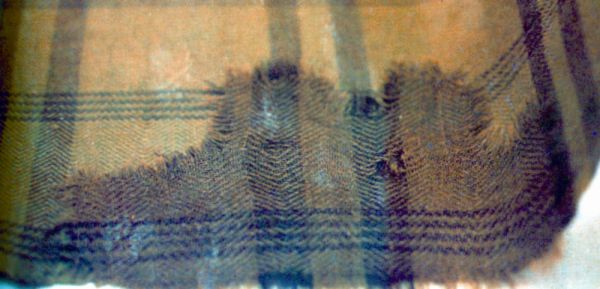
This piece dates back to around 1200 BC it was found in the ancient salt mines at Hallstatt, in the Austrian Alps.


The oldest plaid ever documented was found on Ürümchi mummies dating back to around 1500 BC. They were  caucasian indoeuropeans  that were probably exploring Silk Routes between Europe and Central Asia. 
      The word plaid is of Scottish Gaelic  origin meaning woven crisscross blanket. The oldest samples of plaid fabric found in  Atlantic Europe  are from around 300BC, they were found in Scotland and Galicia. 
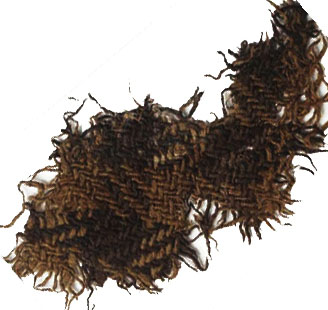
The Falkirk Tartan is one of these pieces of ancient plaid fabric. It is named for the town it was found in Falkirk, this fabric is displayed at the National Museum of Scotland, Edinburgh. 

In the 16th century the Scottish began to refer to this fabric as tartan and the name is still used today.


The woven design of the tartan pattern has been used in Scotland for centuries to identify different family clans.


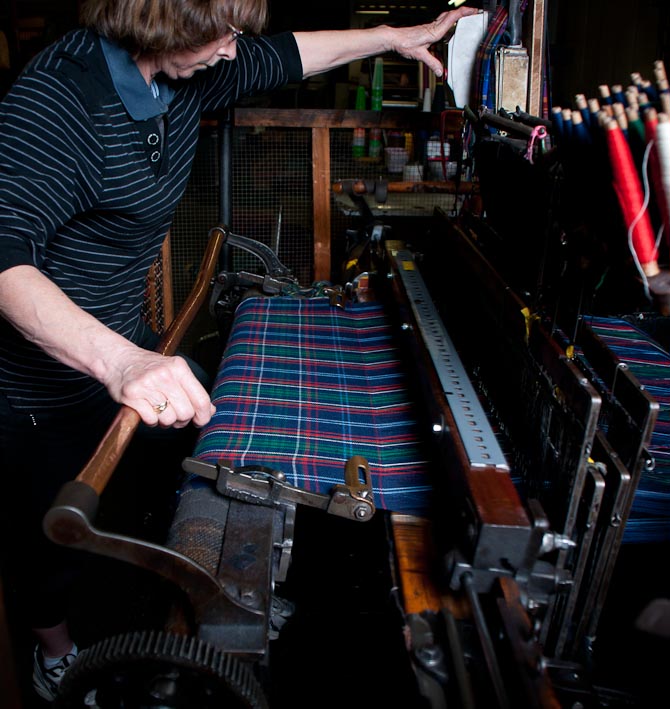
To create tartan wool, yarns of different colors are woven into the desired pattern one design block is referred to as a sett. 


      Tartan patterns continue to be woven today that represent Scottish family clans. The Rob Roy Tartan became very popular in the United States in the 1800's when a designer at Woolrich Woolens Mills replicated the pattern, giving it the new name of Buffalo Check Plaid in honor of his small heard of buffalo.  Buffalo shirts became popular clothing when the west was being explored in America. The plaid pattern continues to be popular today and is found in home decor and other clothing items. 


"Rob Roy Macgregor"

Woolrich Buffalo Check Plaid 674-0100-493


     Today not all plaid is created as a woven fabric of colored threads. The patterns are printed on a variety of fabrics including wool, cotton, flannel and upholstery. The plaid pattern is not limited to fabric it is also replicated on walls, floors and other mediums.
       Pendleton Woolen Mills creates beautiful woven wool plaid fabrics, clothing and home decor items. Here is a wonderful reversible pleated plaid skirt  they created. 


25" REVERSIBLE PLEATED SKIRT

Waverly creates a variety of plaid fabric for home decorating, they also make plaid wallpaper. This is a photo of #5506974 Country Plaid Wallpaper.
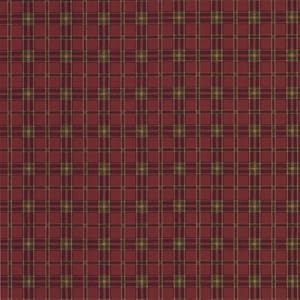
This is a great tutorial to add plaid to a t shirt. A spring colored plaid would work also!
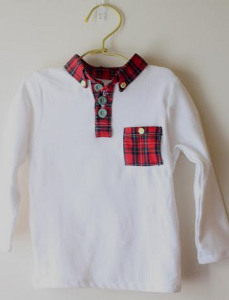
Here are some great tips on how to sew plaid fabric!

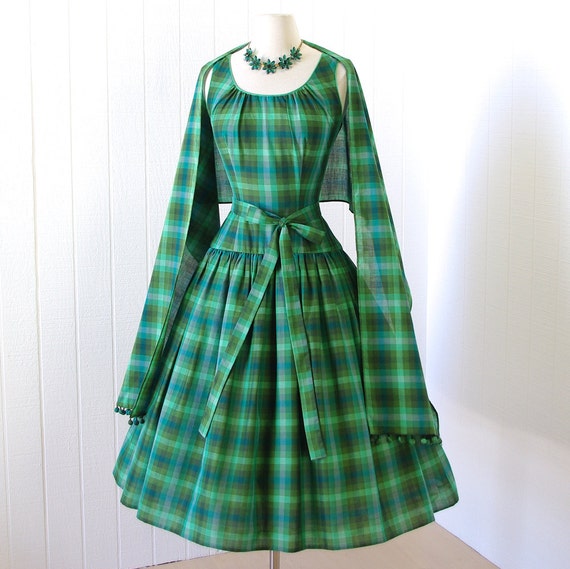
Here is a beautiful plaid dress from the 1950's This Tina Leser design  is made from green madras plaid fabric with and matching wrap


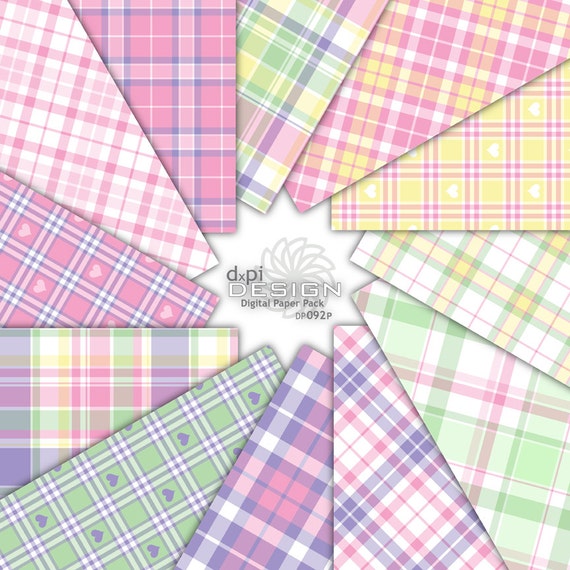
This is a wonderful set of PASTEL PLAID - Digital Paper in light spring colors for scrapbook, card making and baby showers it is a  Instant Download  so you can print the plaid you want for each project. 
PlaidMaker is an online tool for making plaid patterns.

Here you you can create every plaid pattern imaginable. Created by Sean Conaty this tool allows to create and save your plaid designs. Just pick your colors and start weaving them together.


    With today's technology it is fun and easy to create your own plaid design and have it made into fabric or other fashion and home decor items. Here are just a few examples:

Purple plaid design ringer mug
Purple plaid design ringer mug by kickazzdesign
Look at Purple Mugs online at Zazzle.com
Here are a few places where you can create your own plaid fabric and other items or purchase items already made by these creative artists. 


Monday, March 2, 2015

Chevron Craving

Yellow and Blue Gradient Chevron Fabric
Yellow and Blue Gradient Chevron Fabric   Created by Tanya Draws
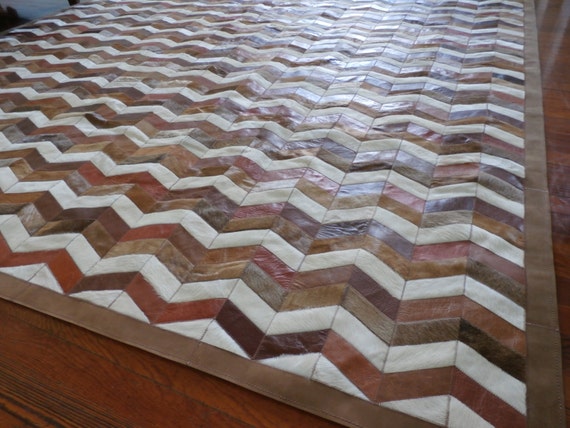
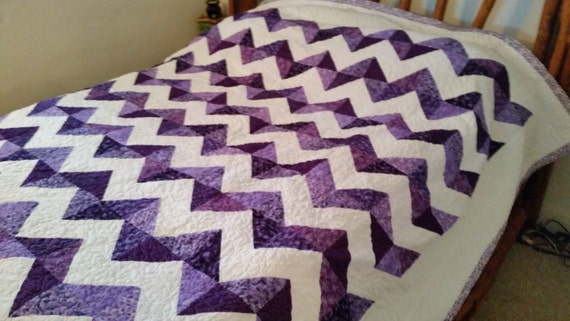
      The craving for chevron design products had a rebirth a few years ago, and today it has become a very popular pattern in fashion and home decor. The original meaning of the word chevron describes the inverted "V" "^" shape of roof rafters on buildings, it  is derived from Old French and Middle English.  The ^ shape and multiple ^^^^^^ zig zag patterns have historical roots in ancient buildings and artifacts.  The  ancient design  was often painted on Egyptian ceilings and Solomon's Temple. Chevron beads were created in Italy, later they were often used to trade for goods in Africa, and North and South America in the 15th century.
     
    The 21st century is not the first time in history that there has been a craving for chevron. In the 10th century in Normandy France the zig zag pattern was used as a part of the architecture in churches. Here the the pattern was added as moldings or carved into pillars to draw the eyes away from the large heavy size of the structure. This technique became so popular it was often a part of buildings designed in England and Scotland during this time period. This style is known today as Norman Architecture.
     The Collegiate Church of Saint-Evroult founded in 1082 is located in Mortain, Normandy France. This photo shows the extensive use of the chevron pattern and how it makes the large arch seem smaller. The layers of chevron draw you into the door.

       The Durham Cathedral in the United Kingdom has the chevron design etched into the large pillars to give the a softer effect. When it was finished in 1133 the Cathedral was one of the first English buildings with a large amount of the design  found through out the structure. 


     A single chevron shape is special to Freemason's and is a part of their Masonic symbol, it symbolizes completion of important work. It also has historical meaning as it was drawn on shields and family crests to designate honor and accomplishments. Today the chevron continues to be used in designating ranking by military and police.


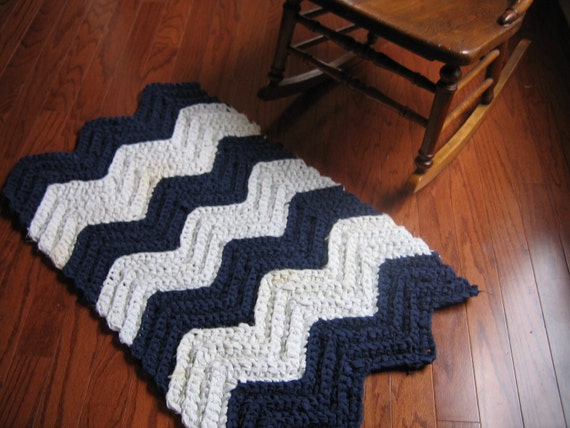
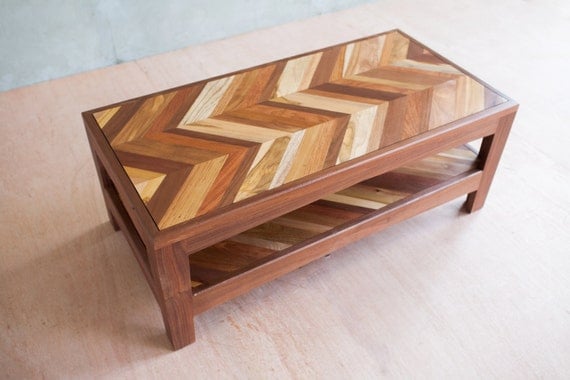
     Today this chevron zig zag pattern is so popular, it is a favorite design to decorate homes and offices. The pattern is found on draperies, rugs, pillows and wall decor.  The pattern can be created very small or large to project different effects in the room.    

      These are links to a variety of DIY projects to make Chevron decor for your home:


Here are some of my favorite chevron home decor items:

Black White Red Chevron Pattern Wood Print created by Blooming Vine Design


Chevron ZigZag Pattern Hanging Pendant Lamp
Chevron ZigZag Pattern Hanging Pendant Lamp by GLManley
View Chevron Lamp-In-A-Box Lamp online at zazzle

Chevron ZigZag Pattern Hanging Pendant Lampby G L Manley

Modern faux gold glitter black chevron pattern pillow by  Girly Trend.

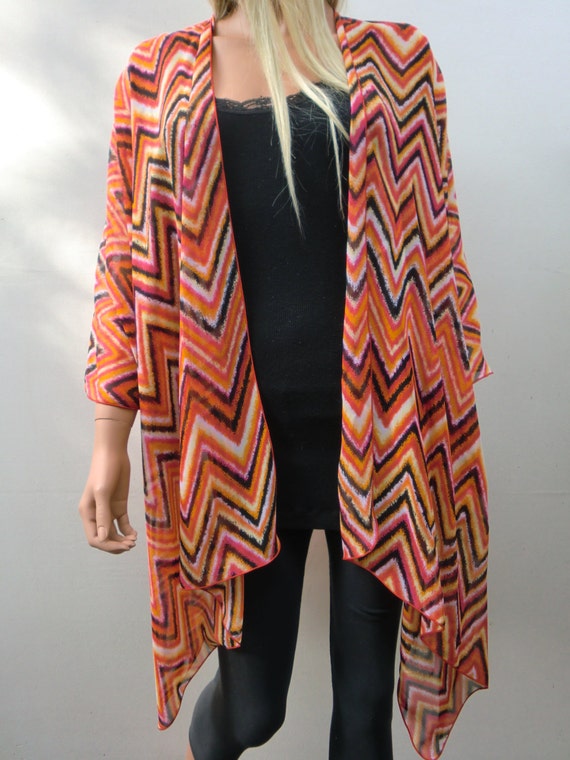
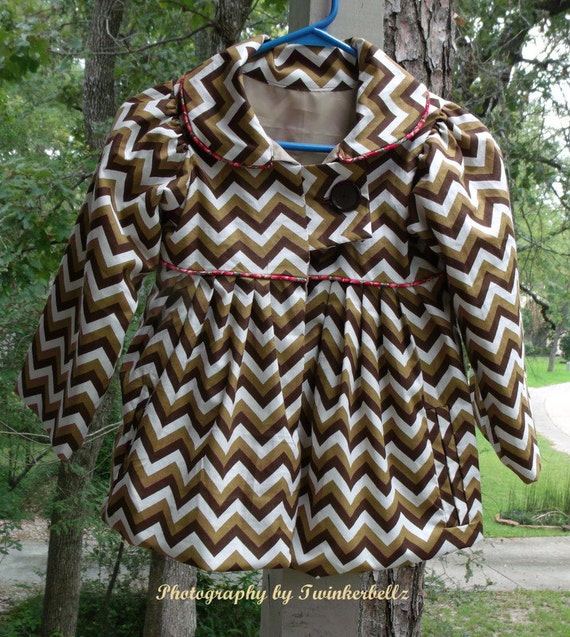
     The craze for chevron designs in personal fashion items shows how popular this pattern still is. Several styles of clothing for men, women and children are made with the pattern. The design is also found in several fashion accessories including: belts, scarves, nails, purses, electronics and phone covers. Here are a few examples of chevron fashions. 


     Chevron craft projects are very popular today, you can make your own custom chevron design item from fabric, yarn, paint or paper.  It is also a wonderful pattern to design special gifts and gift wrap from. There are a variety of unique chevron products in stores and online. If you still are not able to find that special chevron item you are looking for just create it yourself. Here are three great places to create your own chevron designed products to decorate yourself or your home!


Tuesday, February 24, 2015

Classic Calico


      Calico is one of my favorite types of fabric to collect. There are so many colorful designs to choose from to create a variety of wonderful items. The word Calico is derived from Calicut, named for the city where it was first created in the 11th century, Calicut or Kozhikode India. The fabric was 100% cotton woven with simple designs and a few colors. These designs were hand painted or made with wooden block printing methods. This fabric was used to create clothing in India. 

     In the late 15th century the Calicut cloth was exported to England.  This cloth became very popular as it  was made into clothing and household goods of bed coverings. They began referring to the fabric as Calicoes as it became the choice cloth of many women.  By 1700 the British were purchasing import fabric more often than the fabric made in their local mills. This caused Parliament  to pass a law that would not allow the import of Calicoes from India. After the India Calicoes were banned from England, the  woven cotton husk cloth  created in their own country was often called Calico.  Today Calico fabric in England and Australia refers to a solid white color cotton fabric. 


Calico Heavy  Width: 183cm (72")
 Plain weave heavy weight Cotton widely used in general dress making and craftwork.


        In the United States  Calico Fabric  is defined as cotton fabric with a small floral print.  As a sturdy inexpensive fabric, it was  popular for pioneer women to make clothing out of in the 1800's as the country expanded westward.

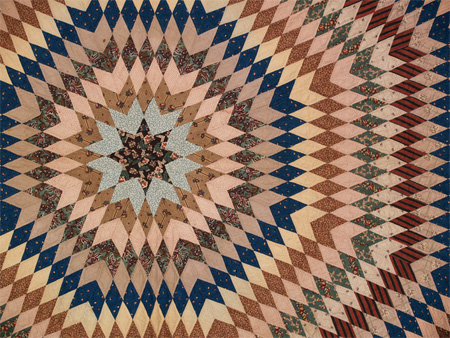
    During this same time period women often used the Calico fabric to make other items for the home including quilts as seen in this Blazing Star quilt from 1825.
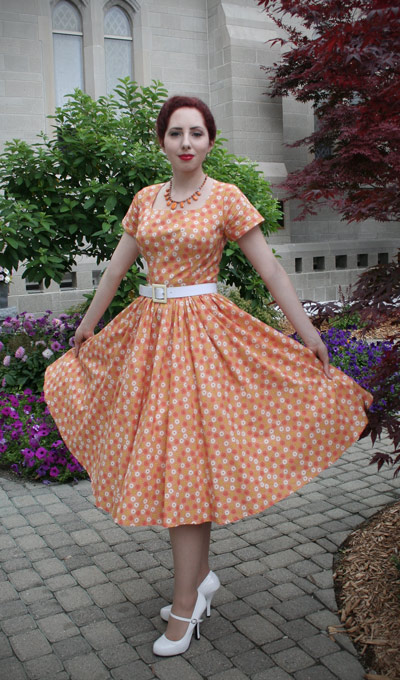
      Calico continued to be a popular fabric of choice into the 20th century for clothing and  home decor crafts.  This 1950's style dress is a beautiful example of a brighter larger print calico. 

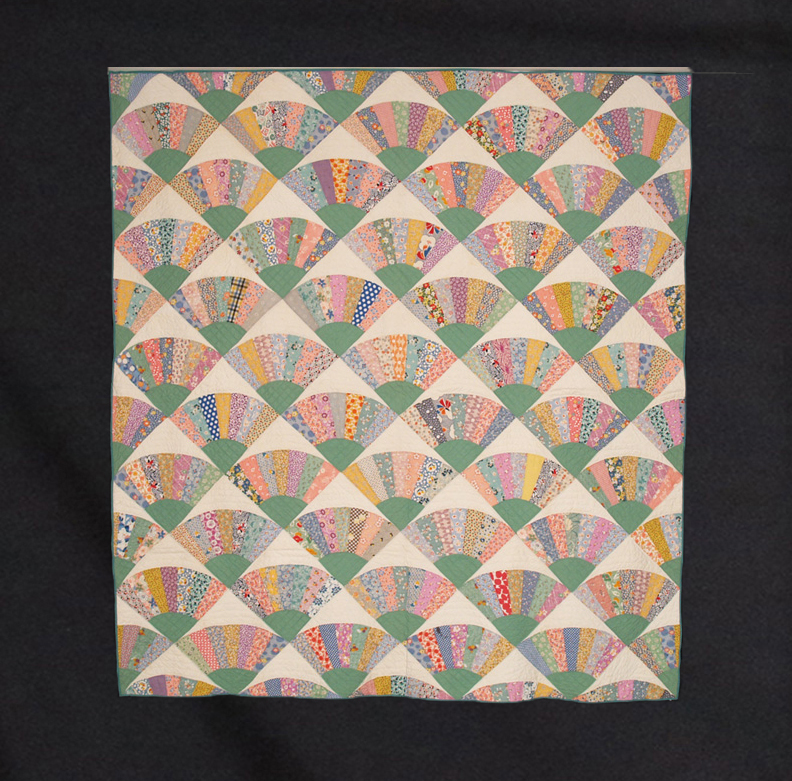
       Calico also continued to be a favorite fabric in quilt making in the 20th century, look at the variety of calico fabrics that were used to create this 1928 Fan Quilt !

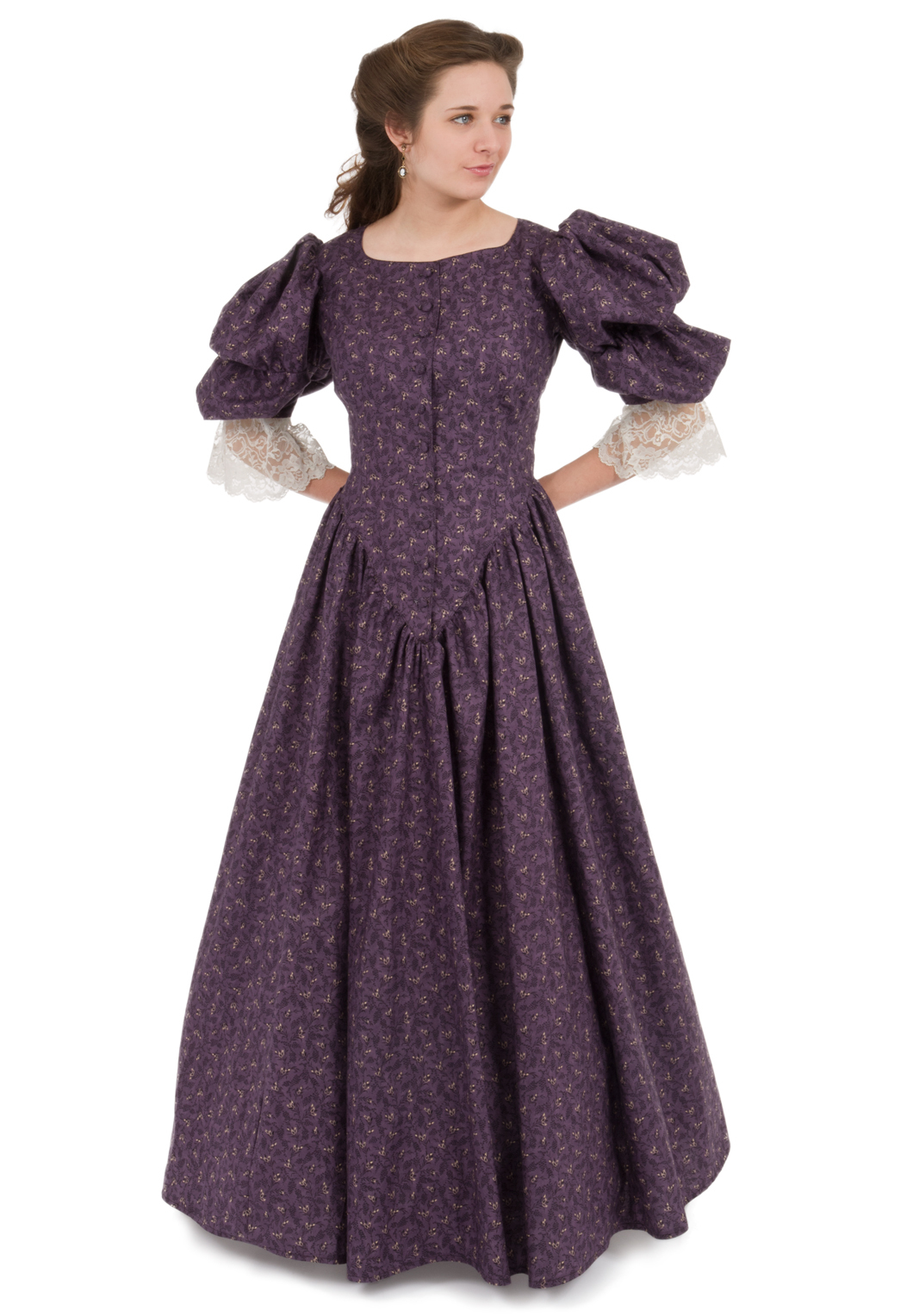
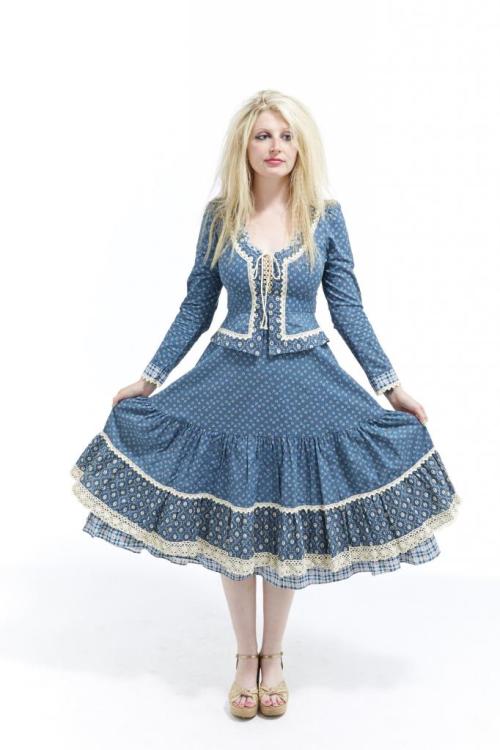
       In the 1970's calico fabric became popular again in women's fashions with the creation of the Gunne Sax dresses by Jessica McClintock. These dresses included allot of ribbon and lace and were a modern version of the pioneer dress. They were popular for everyday and special occasions such as proms and weddings. 
Gunne Sax Dress 

     Today Calico fabric continues to be a very popular fabric of choice for quilters and other home decor crafts.  New calico fabrics are created every year by fabric designers. Retro style calico fabrics have also been a favorite in resent years. These are great to create historic costumes and vintage style quilts.


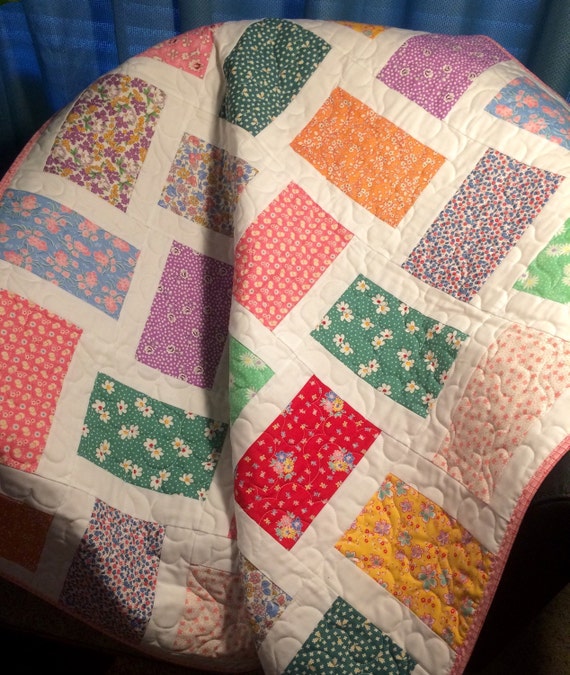
1930's Reproduction Fabrics Are Bright And Cheerful 
In This Brick Pattern 37.5" X 45" Quilt


        Technology today now allows you to create your own calico designed fabric here are two places to do this are :

and


Thursday, February 19, 2015

Bandana Art


Abstract 336 a Pastel Kaleidoscope Bandana
Abstract 336 a Pastel Kaleidoscope Bandana by Gingezel
Find other Kaleidoscope Bandana at zazzle.com
Pastel Kaleidoscope Bandana Artwork designed by Gingezel

          Bandana's have been a fashion accessory for over 200 years. The small pieces of square cloth were originally created in India during the 18th century, they were called bandhnu in Hindustani meaning tie dying cloth. The first bandana's were made of silk fabric,  in colors with white patterns where the dye did not adhere to the cloth. 

Bandhani (Indian tie dye) saree fabric

       These beautiful pieces of fabric were exported by the East India Company and became very popular in England. Initially designed to be head or neck scarf , they were redesigned in European countries  and made of  cotton fabrics. The bandana evolved into multiple uses and names as it also became know as a handkerchief and was also  used to dab perspiration and clean the nose. 

Banada Early 20th Century Turkey Red dye process cotton fabric

     The bandana  became a popular item for farmers in Europe  and  the American colonies as women often used them to secure their hair and protect it from the elements.  A new dying technique was discovered in 1789 by the French chemist Claude Louis Berthollet.  By using chlorine, white patterns could be easily created on the Turkey red cloth. Daniel Koechiln-Schouch then discovered that by adding tartaric acid the cloth it would lose the red color and be blue with the same patterned effect. 
      Cowboys in the American West found new uses for bandana's usually worn around their neck, it could be used over the face in a dust storm or to bind a wound. As Hollywood created Western Movies the bandana gained in popularity, they were made of cotton in a variety of colors.

John Wayne The Cowboys 1971

      The bandana found another use during WWII as women began wearing them to keep their hair from getting caught in the machinery in factories  where they worked building aircraft and other items.  This classic style became popular with the Rosie the Riveter posters. 


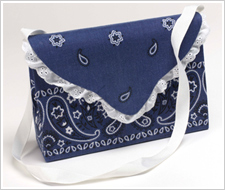
        Bandana's are no longer just a fashion accessory, they can easily be sewn together to make a variety of items including; pillows, tops, pants, skirts, tablecloths and party decorations.  Here is a free pattern for a cute bandana purse to make.  Follow this link for the pattern and directions. 


     Pastel Bananda's  sewn together make  a great table runner for Spring,  the free instructions are available in this  article from Country Living. It also has directions for eight other craft projects to  make using bandana's they include; napkin rings, hanger covers, knotted belt, place setting bundle,  pouch bag, rosette pin, candle cover and picture frames. 
 Follow this link for these fun free bandana crafts 

         Two-hundred years later the bandana continues to be a very popular piece of cloth.  Today they come in a variety of designs and colors and are worn by humans and animals.  If one cannot find the right color or design of a bandana you can easily create your own. Zazzle provides an easy template to create your own bandana follow the link here.